
Dispensing Valves
In all areas of industry, DOPAG's high-quality dispensing valve is used for the application of low- to high-viscosity media, such as adhesives, sealants or lubricants. Furthermore, it can process filled or chemically aggressive 1K materials as well. DOPAG offers a solution for all kind of customer requirements. Thanks to the broad product portfolio with various series, designs and sizes the ideal valve can be selected for every application. DOPAG offers needle and diaphragm dispensing valves for bead or dot application. Depending on the size, the DOPAG dispensing valves can process materials with viscosities up to 2.500.000 mPas, at a working pressure range from 150 to 250 bar.
The DOPAG dispensing valves function according to the proven principle of pressure-time dosing. Due to separated air drive, leakage is prevented and a clean and precise metering at all times is ensured. Additionally the diaphragm type valve works with a snuff back function to prevent material from dripping after dosing. With its robust design, the valve achieves high reliability with low maintenance requirements.
For the dispensing valve different accessories like heating, handles and hollow needles are available. For controlling and monitoring, we provide solenoid valves and stroke detection as well.
If your required configuration is not listed below, please make a request at productportal@dopag.com.


Based on the time-pressure dispensing principle, the needle dispensing valves are most effective in continuous applications of low to high viscosity media. Consisting of two structurally separate parts, they have the advantage that material cannot leak into the drive cylinder and interfere with the valve needle movement. The size of the orifice is regulated simply by a stop screw. A special, adjustable seal closes the valve needle off from the valve head, ensuring a perfectly clean and precise application of every single shot. The material passageway can be flushed as and when necessary.
Price on request

The advantage of diaphragm dispensing valves is their ability to process material with challenging properties in continuous shot applications. The valves are designed for care-free dispensing of low to high viscosity, filled or unfilled, abrasive or chemically reactive 1K fluids. Part of their structure is an integrated diaphragm that separates the pneumatic and the metering parts of the valve. As a result, only the valve head and the diaphragm come in contact with the material, while the material passageway can be easily flushed if necessary. The size of the orifice is regulated by stroke adjustment. Material dripping after shot completion is effectively prevented by the snuff-back mechanism. This valve is exceptionally easy on maintenance.
Price on request
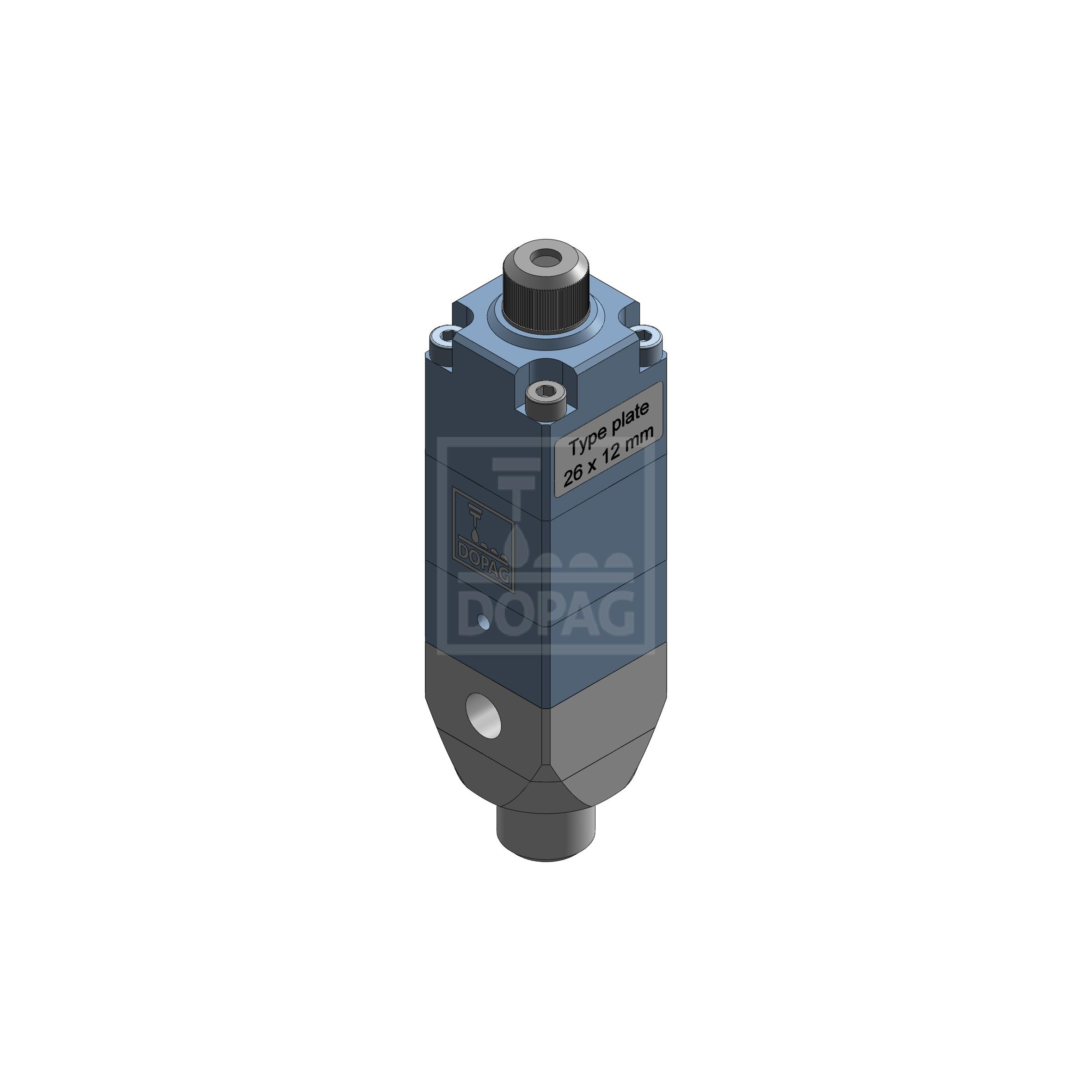
The advantage of diaphragm dispensing valves is their ability to process material with challenging properties in continuous shot applications. The valves are designed for care-free dispensing of low to high viscosity, filled or unfilled, abrasive or chemically reactive 1K fluids. Part of their structure is an integrated diaphragm that separates the pneumatic and the metering parts of the valve. As a result, only the valve head and the diaphragm come in contact with the material, while the material passageway can be easily flushed if necessary. The size of the orifice is regulated by stroke adjustment. Material dripping after shot completion is effectively prevented by the snuff-back mechanism. This valve is exceptionally easy on maintenance.
Price on request
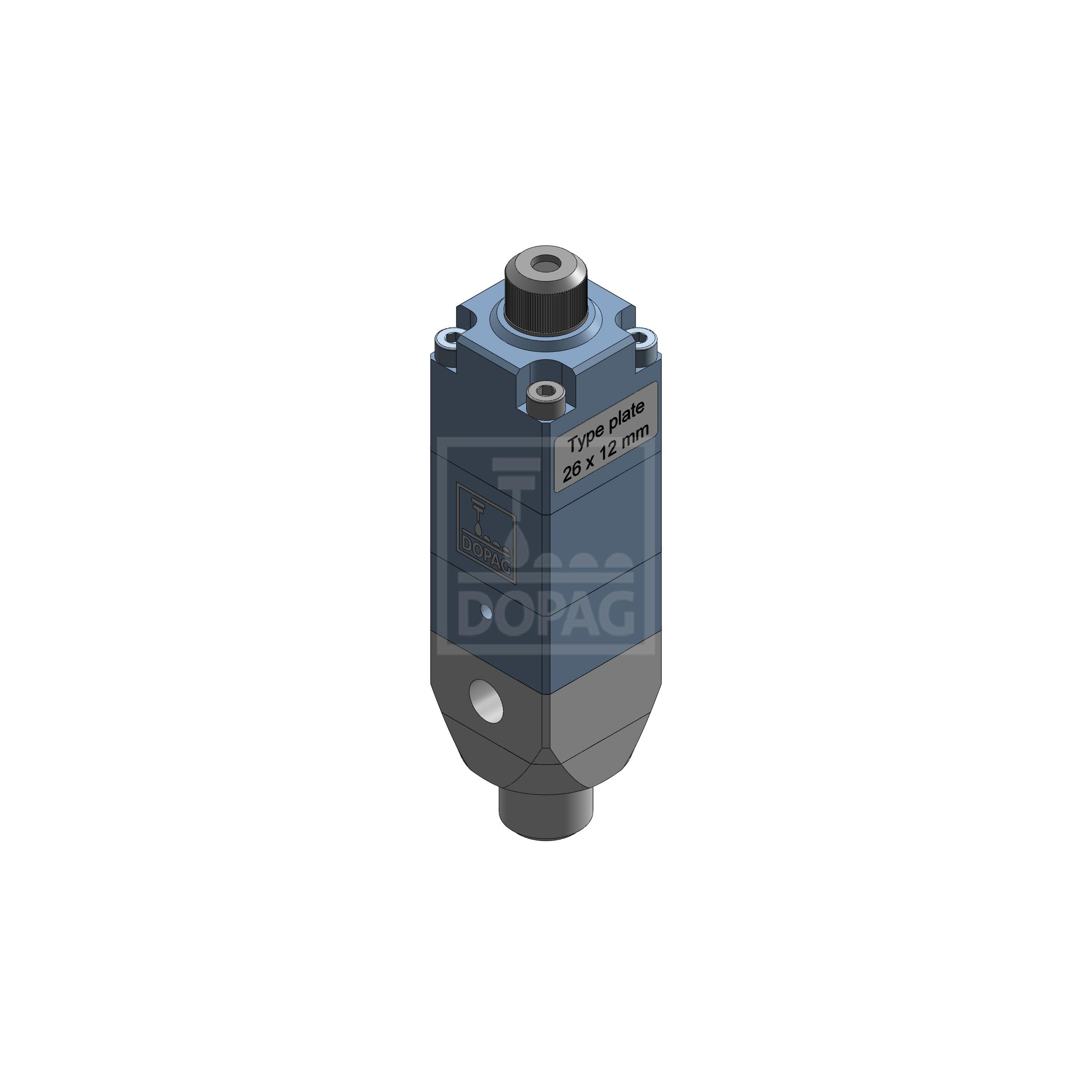
The advantage of diaphragm dispensing valves is their ability to process material with challenging properties in continuous shot applications. The valves are designed for care-free dispensing of low to high viscosity, filled or unfilled, abrasive or chemically reactive 1K fluids. Part of their structure is an integrated diaphragm that separates the pneumatic and the metering parts of the valve. As a result, only the valve head and the diaphragm come in contact with the material, while the material passageway can be easily flushed if necessary. The size of the orifice is regulated by stroke adjustment. Material dripping after shot completion is effectively prevented by the snuff-back mechanism. This valve is exceptionally easy on maintenance.
Price on request
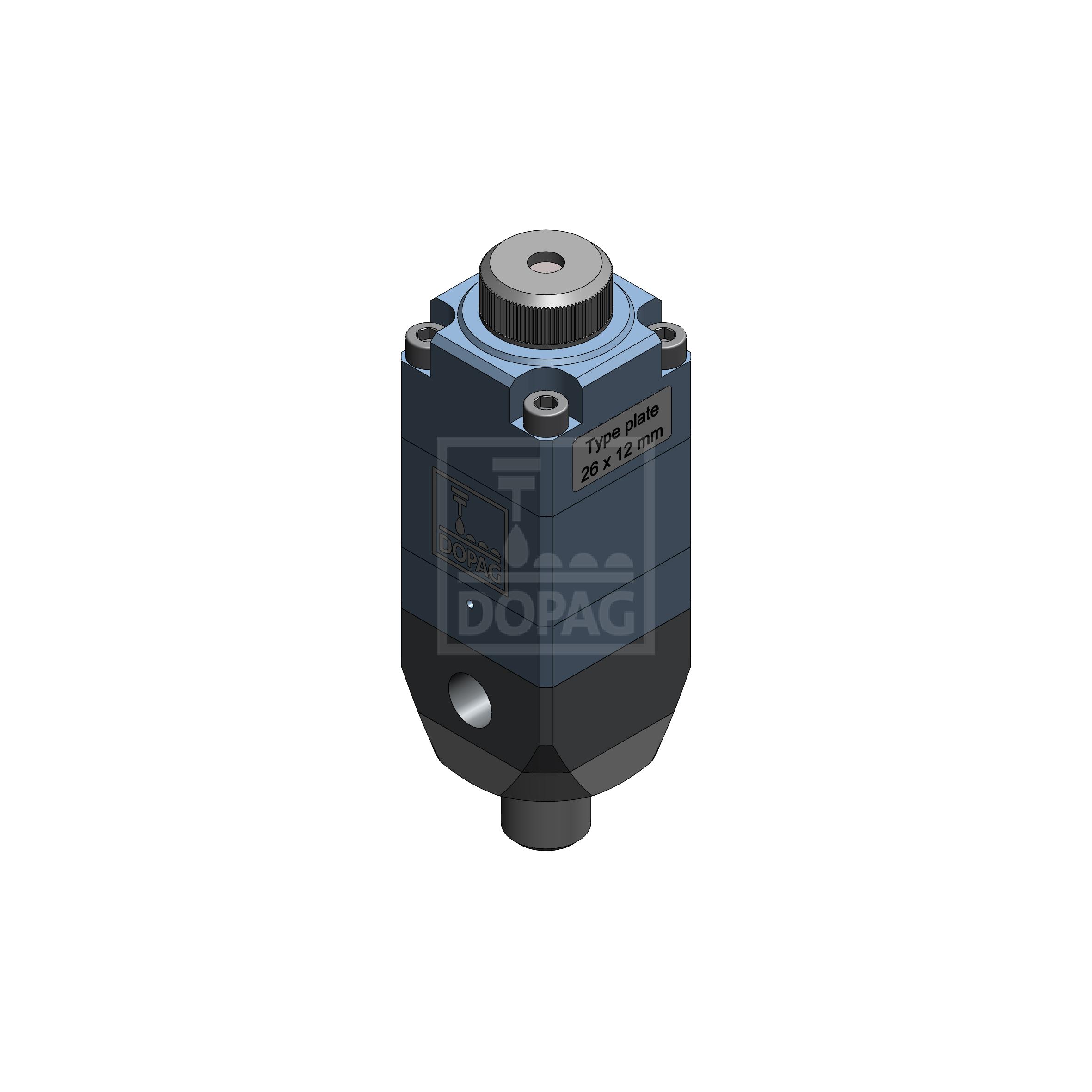
The advantage of diaphragm dispensing valves is their ability to process material with challenging properties in continuous shot applications. The valves are designed for care-free dispensing of low to high viscosity, filled or unfilled, abrasive or chemically reactive 1K fluids. Part of their structure is an integrated diaphragm that separates the pneumatic and the metering parts of the valve. As a result, only the valve head and the diaphragm come in contact with the material, while the material passageway can be easily flushed if necessary. The size of the orifice is regulated by stroke adjustment. Material dripping after shot completion is effectively prevented by the snuff-back mechanism. This valve is exceptionally easy on maintenance.
Price on request
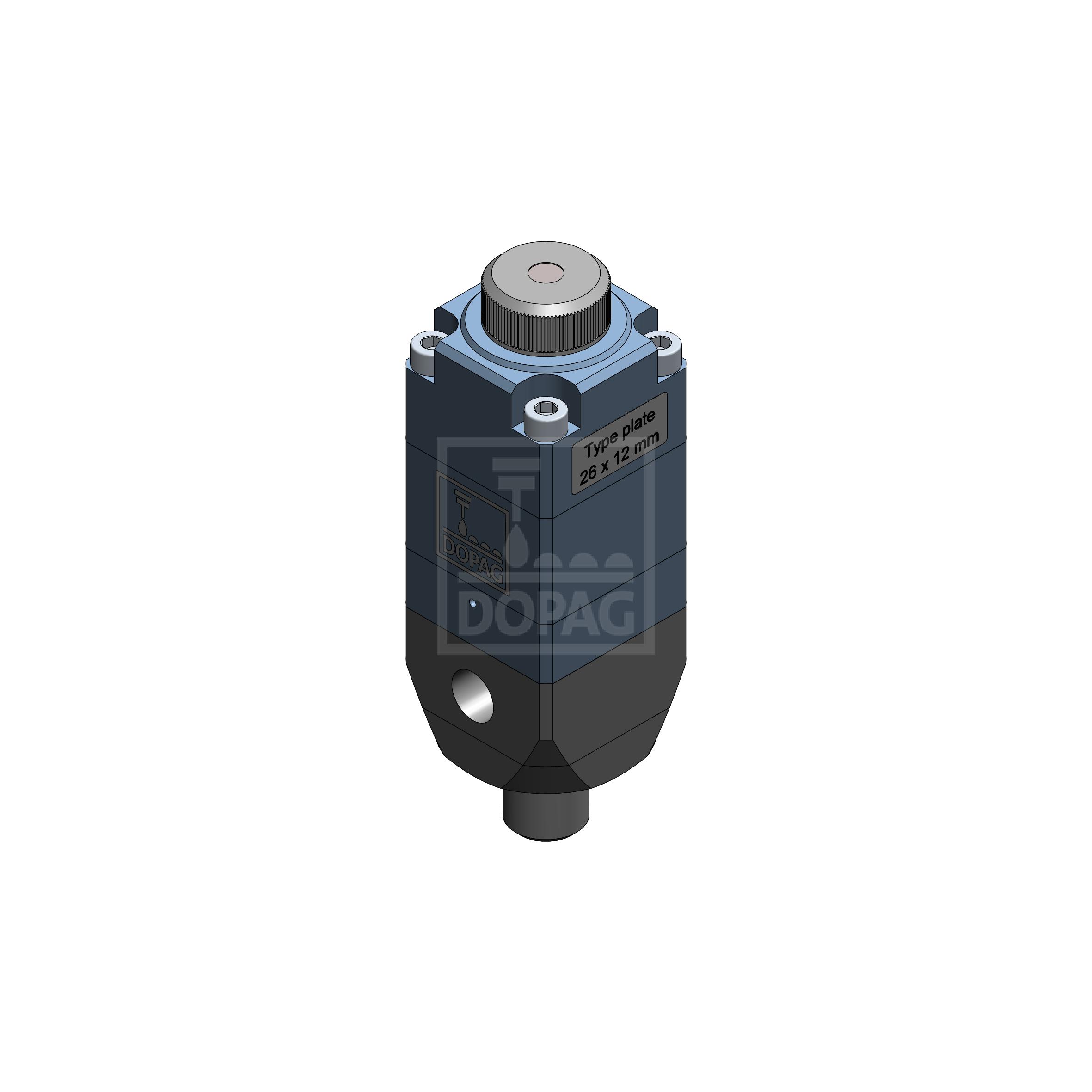
The advantage of diaphragm dispensing valves is their ability to process material with challenging properties in continuous shot applications. The valves are designed for care-free dispensing of low to high viscosity, filled or unfilled, abrasive or chemically reactive 1K fluids. Part of their structure is an integrated diaphragm that separates the pneumatic and the metering parts of the valve. As a result, only the valve head and the diaphragm come in contact with the material, while the material passageway can be easily flushed if necessary. The size of the orifice is regulated by stroke adjustment. Material dripping after shot completion is effectively prevented by the snuff-back mechanism. This valve is exceptionally easy on maintenance.
Price on request

The advantage of diaphragm dispensing valves is their ability to process material with challenging properties in continuous shot applications. The valves are designed for care-free dispensing of low to high viscosity, filled or unfilled, abrasive or chemically reactive 1K fluids. Part of their structure is an integrated diaphragm that separates the pneumatic and the metering parts of the valve. As a result, only the valve head and the diaphragm come in contact with the material, while the material passageway can be easily flushed if necessary. The size of the orifice is regulated by stroke adjustment. Material dripping after shot completion is effectively prevented by the snuff-back mechanism. This valve is exceptionally easy on maintenance.
Price on request

The advantage of diaphragm dispensing valves is their ability to process material with challenging properties in continuous shot applications. The valves are designed for care-free dispensing of low to high viscosity, filled or unfilled, abrasive or chemically reactive 1K fluids. Part of their structure is an integrated diaphragm that separates the pneumatic and the metering parts of the valve. As a result, only the valve head and the diaphragm come in contact with the material, while the material passageway can be easily flushed if necessary. The size of the orifice is regulated by stroke adjustment. Material dripping after shot completion is effectively prevented by the snuff-back mechanism. This valve is exceptionally easy on maintenance.
Price on request

Based on the time-pressure dispensing principle, the needle dispensing valves are most effective in continuous applications of low to high viscosity media. Consisting of two structurally separate parts, they have the advantage that material cannot leak into the drive cylinder and interfere with the valve needle movement. The size of the orifice is regulated simply by a stop screw. A special, adjustable seal closes the valve needle off from the valve head, ensuring a perfectly clean and precise application of every single shot. The material passageway can be flushed as and when necessary.
Price on request

Based on the time-pressure dispensing principle, the needle dispensing valves are most effective in continuous applications of low to high viscosity media. Consisting of two structurally separate parts, they have the advantage that material cannot leak into the drive cylinder and interfere with the valve needle movement. The size of the orifice is regulated simply by a stop screw. A special, adjustable seal closes the valve needle off from the valve head, ensuring a perfectly clean and precise application of every single shot. The material passageway can be flushed as and when necessary.
Price on request

Based on the time-pressure dispensing principle, the needle dispensing valves are most effective in continuous applications of low to high viscosity media. Consisting of two structurally separate parts, they have the advantage that material cannot leak into the drive cylinder and interfere with the valve needle movement. The size of the orifice is regulated simply by a stop screw. A special, adjustable seal closes the valve needle off from the valve head, ensuring a perfectly clean and precise application of every single shot. The material passageway can be flushed as and when necessary.
Price on request

Based on the time-pressure dispensing principle, the needle dispensing valves are most effective in continuous applications of low to high viscosity media. Consisting of two structurally separate parts, they have the advantage that material cannot leak into the drive cylinder and interfere with the valve needle movement. The size of the orifice is regulated simply by a stop screw. A special, adjustable seal closes the valve needle off from the valve head, ensuring a perfectly clean and precise application of every single shot. The material passageway can be flushed as and when necessary.
Price on request

Based on the time-pressure dispensing principle, the needle dispensing valves are most effective in continuous applications of low to high viscosity media. Consisting of two structurally separate parts, they have the advantage that material cannot leak into the drive cylinder and interfere with the valve needle movement. The size of the orifice is regulated simply by a stop screw. A special, adjustable seal closes the valve needle off from the valve head, ensuring a perfectly clean and precise application of every single shot. The material passageway can be flushed as and when necessary.
Price on request

Based on the time-pressure dispensing principle, the needle dispensing valves are most effective in continuous applications of low to high viscosity media. Consisting of two structurally separate parts, they have the advantage that material cannot leak into the drive cylinder and interfere with the valve needle movement. The size of the orifice is regulated simply by a stop screw. A special, adjustable seal closes the valve needle off from the valve head, ensuring a perfectly clean and precise application of every single shot. The material passageway can be flushed as and when necessary.
Price on request
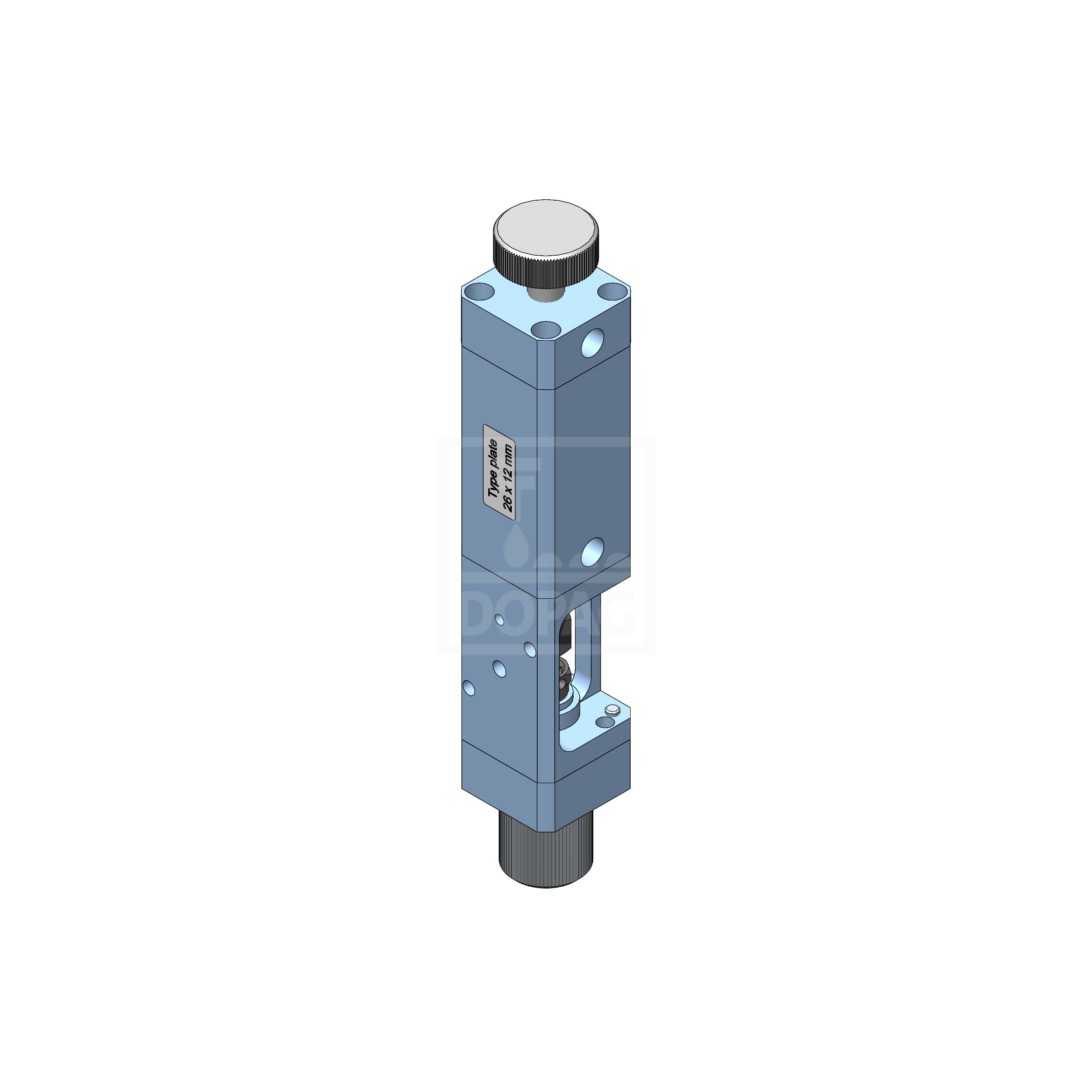
Based on the time-pressure dispensing principle, the needle dispensing valves are most effective in continuous applications of low to high viscosity media. Consisting of two structurally separate parts, they have the advantage that material cannot leak into the drive cylinder and interfere with the valve needle movement. The size of the orifice is regulated simply by a stop screw. A special, adjustable seal closes the valve needle off from the valve head, ensuring a perfectly clean and precise application of every single shot. The material passageway can be flushed as and when necessary.
Price on request

Based on the time-pressure dispensing principle, the needle dispensing valves are most effective in continuous applications of low to high viscosity media. Consisting of two structurally separate parts, they have the advantage that material cannot leak into the drive cylinder and interfere with the valve needle movement. The size of the orifice is regulated simply by a stop screw. A special, adjustable seal closes the valve needle off from the valve head, ensuring a perfectly clean and precise application of every single shot. The material passageway can be flushed as and when necessary.
Price on request

Based on the time-pressure dispensing principle, the needle dispensing valves are most effective in continuous applications of low to high viscosity media. Consisting of two structurally separate parts, they have the advantage that material cannot leak into the drive cylinder and interfere with the valve needle movement. The size of the orifice is regulated simply by a stop screw. A special, adjustable seal closes the valve needle off from the valve head, ensuring a perfectly clean and precise application of every single shot. The material passageway can be flushed as and when necessary.
Price on request

Based on the time-pressure dispensing principle, the needle dispensing valves are most effective in continuous applications of low to high viscosity media. Consisting of two structurally separate parts, they have the advantage that material cannot leak into the drive cylinder and interfere with the valve needle movement. The size of the orifice is regulated simply by a stop screw. A special, adjustable seal closes the valve needle off from the valve head, ensuring a perfectly clean and precise application of every single shot. The material passageway can be flushed as and when necessary.
Price on request

Based on the time-pressure dispensing principle, the needle dispensing valves are most effective in continuous applications of low to high viscosity media. Consisting of two structurally separate parts, they have the advantage that material cannot leak into the drive cylinder and interfere with the valve needle movement. The size of the orifice is regulated simply by a stop screw. A special, adjustable seal closes the valve needle off from the valve head, ensuring a perfectly clean and precise application of every single shot. The material passageway can be flushed as and when necessary.
Price on request

Based on the time-pressure dispensing principle, the needle dispensing valves are most effective in continuous applications of low to high viscosity media. Consisting of two structurally separate parts, they have the advantage that material cannot leak into the drive cylinder and interfere with the valve needle movement. The size of the orifice is regulated simply by a stop screw. A special, adjustable seal closes the valve needle off from the valve head, ensuring a perfectly clean and precise application of every single shot. The material passageway can be flushed as and when necessary.
Price on request
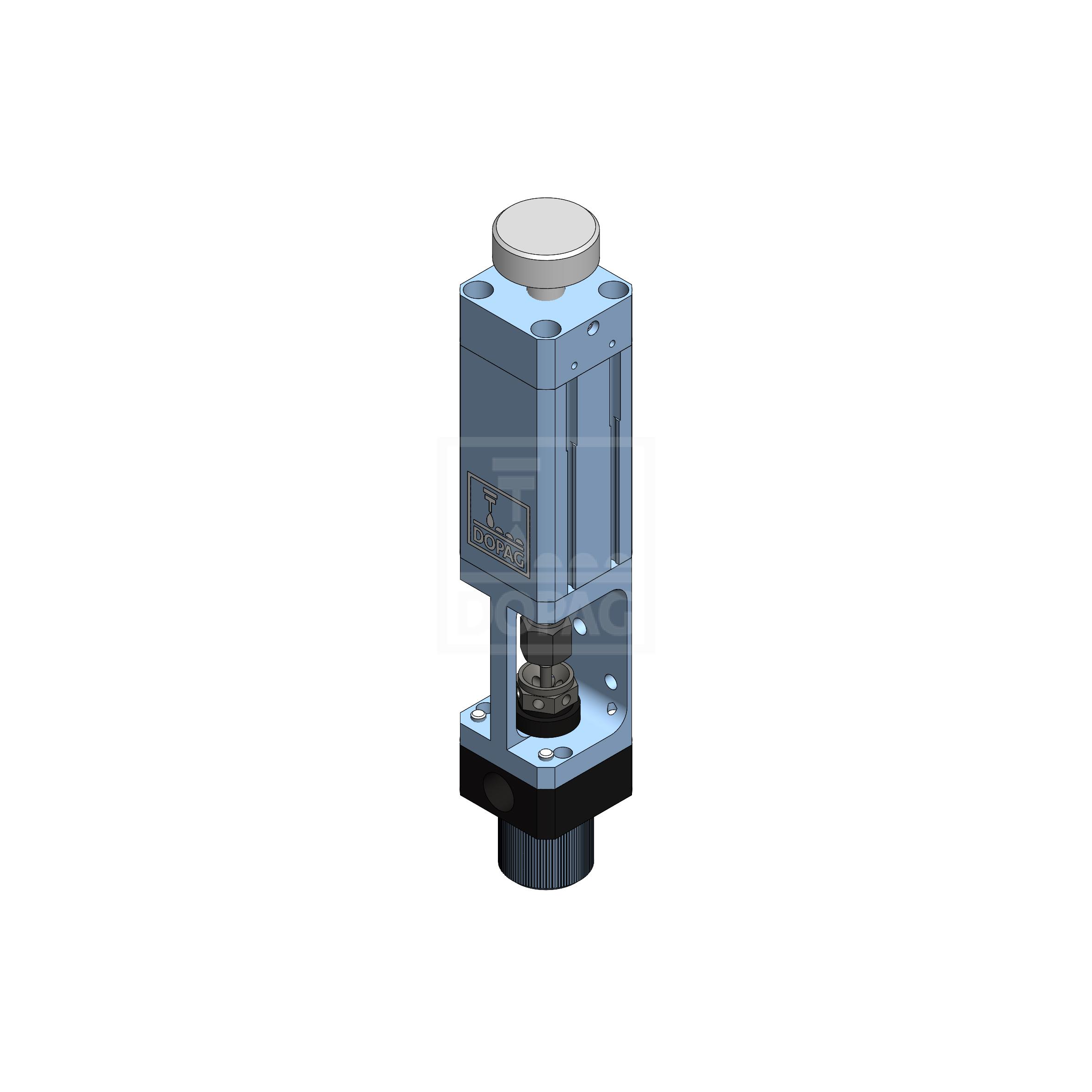
Based on the time-pressure dispensing principle, the needle dispensing valves are most effective in continuous applications of low to high viscosity media. Consisting of two structurally separate parts, they have the advantage that material cannot leak into the drive cylinder and interfere with the valve needle movement. The size of the orifice is regulated simply by a stop screw. A special, adjustable seal closes the valve needle off from the valve head, ensuring a perfectly clean and precise application of every single shot. The material passageway can be flushed as and when necessary.
Price on request

Based on the time-pressure dispensing principle, the needle dispensing valves are most effective in continuous applications of low to high viscosity media. Consisting of two structurally separate parts, they have the advantage that material cannot leak into the drive cylinder and interfere with the valve needle movement. The size of the orifice is regulated simply by a stop screw. A special, adjustable seal closes the valve needle off from the valve head, ensuring a perfectly clean and precise application of every single shot. The material passageway can be flushed as and when necessary.
Price on request
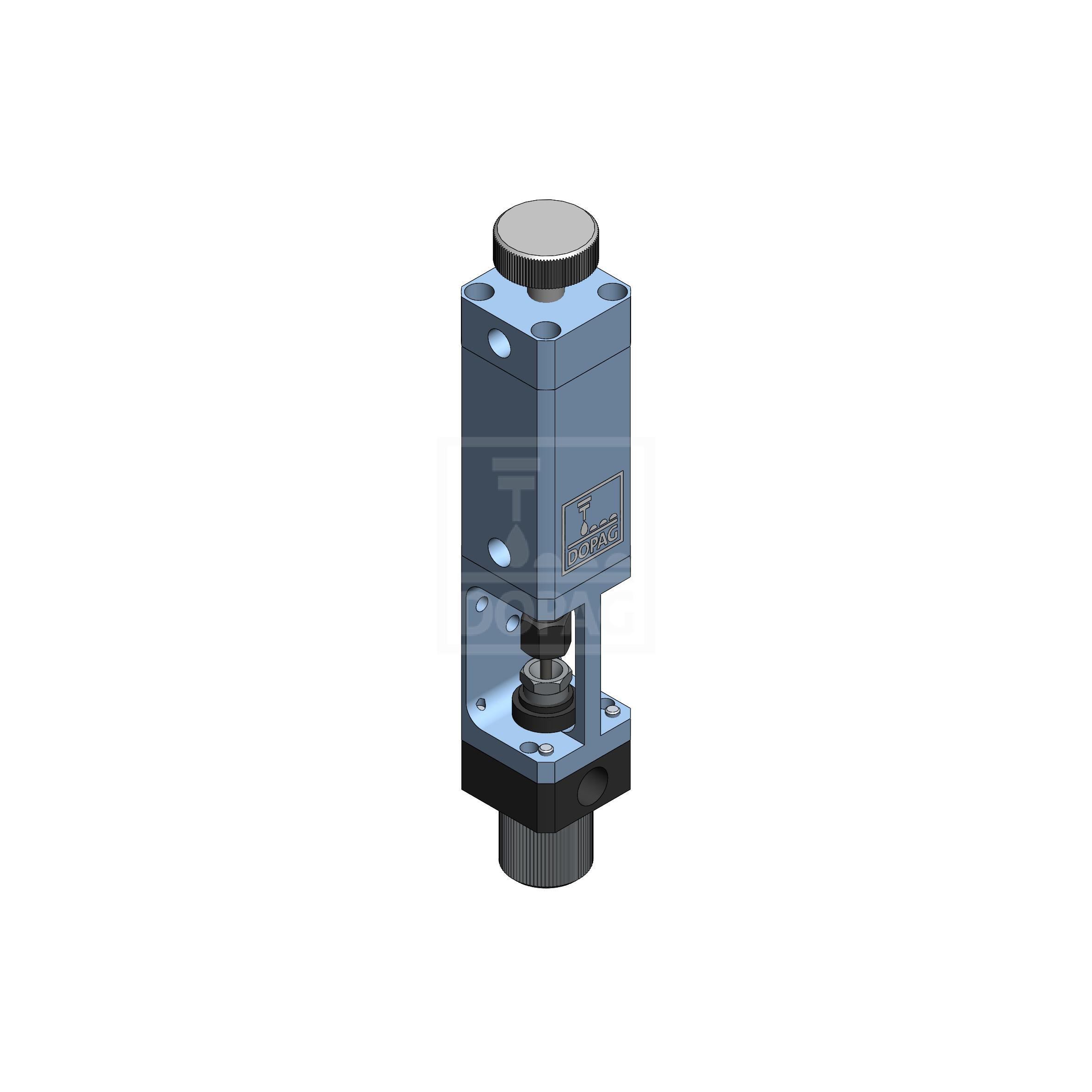
Based on the time-pressure dispensing principle, the needle dispensing valves are most effective in continuous applications of low to high viscosity media. Consisting of two structurally separate parts, they have the advantage that material cannot leak into the drive cylinder and interfere with the valve needle movement. The size of the orifice is regulated simply by a stop screw. A special, adjustable seal closes the valve needle off from the valve head, ensuring a perfectly clean and precise application of every single shot. The material passageway can be flushed as and when necessary.
Price on request

Based on the time-pressure dispensing principle, the needle dispensing valves are most effective in continuous applications of low to high viscosity media. Consisting of two structurally separate parts, they have the advantage that material cannot leak into the drive cylinder and interfere with the valve needle movement. The size of the orifice is regulated simply by a stop screw. A special, adjustable seal closes the valve needle off from the valve head, ensuring a perfectly clean and precise application of every single shot. The material passageway can be flushed as and when necessary.
Price on request